
 English















EUROASIA Insurance: Schengen Visa 2025 Requirements
Applying for a Schengen visa? Uzbek citizens need EU-standard health insurance. EUROASIA Insurance meets consular rules and protects you throughout Europe.
Reliable protection anywhere in the world — medical assistance, evacuation, and 24/7 support.

Get your policy online in 5 minutes

Coverage across the globe
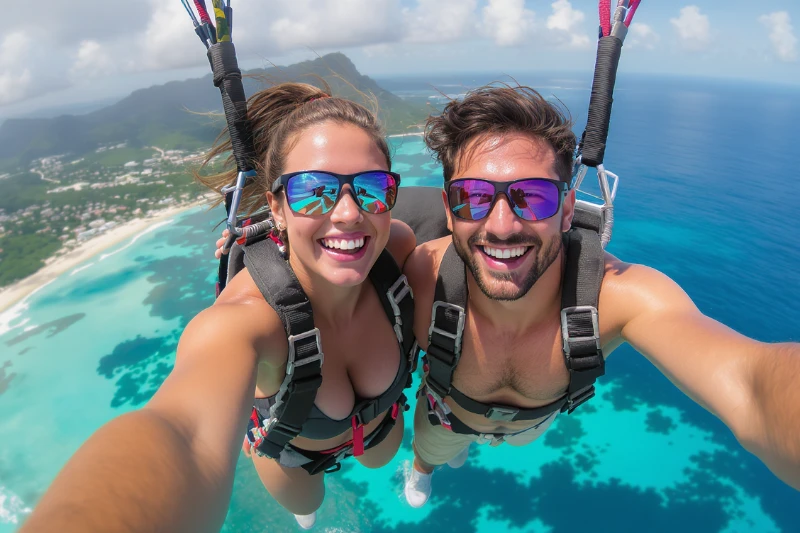
Coverage up to €90,000

Round-the-clock assistance
Travel insurance (also called travel medical insurance) is financial protection for your time abroad. It covers unexpected medical expenses that may arise during your trip.
Travel insurance protects you from:


Medical services abroad can be expensive. Even a simple doctor’s consultation may cost hundreds of dollars, and serious treatment can run into tens of thousands. A travel insurance policy helps you get the medical care you need without paying out of pocket.
You don’t have to pay for expensive treatment from your own pocket — the insurance company covers the costs.
The assistance service will refer you to a trusted clinic and help with communication (English-speaking staff or a translator).
You travel with confidence, knowing you’ll get qualified help in any situation.
Get policies in 30 seconds and handle claims up to 5× faster
Download now


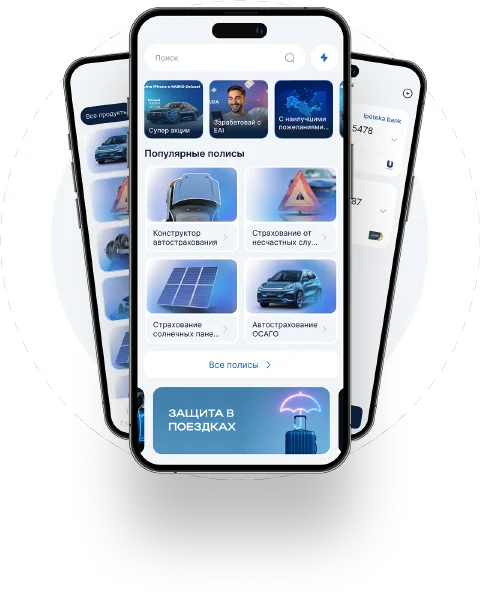
Understanding how travel insurance works helps you use your policy effectively during your trip. The process is simple:
You choose an insurance plan, enter your travel dates, and pay online. Your policy appears in the app within minutes.
Insurance coverage begins on the start date you selected. It’s important to purchase the policy before you leave your country.
If you get sick or injured, call the 24/7 assistance hotline listed in your policy.
The operator arranges medical assistance: recommends a clinic, sends a doctor, or calls an ambulance if needed.
The insurance company pays the medical provider directly (according to the policy terms). You don’t need to spend your own money.
After treatment, you continue traveling or return home. Your policy remains valid until the end date.
A policy from EUROASIA Insurance is a reliable way to protect yourself from unexpected medical expenses during your trip to Germany. Germany is one of Europe’s most popular destinations — people travel there for business, studies, visiting family, and sightseeing in major cities and historic landmarks.
Our travel insurance policy is valid throughout the Federal Republic of Germany and covers key medical risks, including emergency medical care, hospitalization, urgent dental treatment, and repatriation. If needed, the policy can also help reimburse additional expenses related to insured events abroad.
With EUROASIA Insurance, you can plan your itinerary with confidence — whether it’s Berlin, Munich, Hamburg, Frankfurt am Main, or trips across Bavaria and Germany’s romantic towns — knowing that if something unexpected happens, you’ll receive assistance and the costs will be covered by the insurance company under the policy terms.
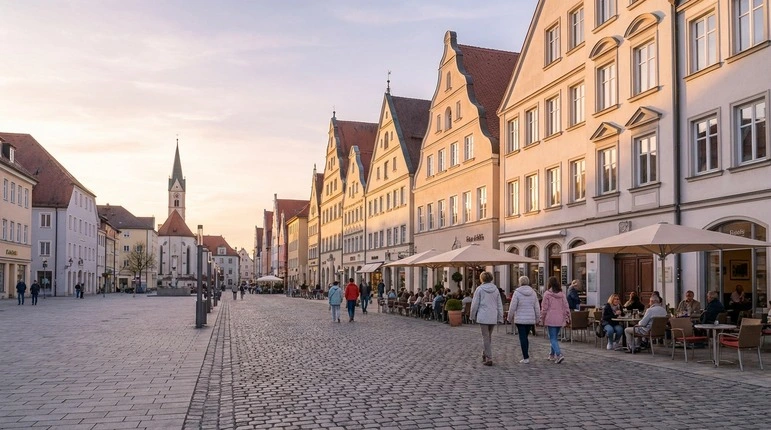
Medical services in Germany for foreign travelers are paid and can be quite expensive. Germany is known for high-quality healthcare and modern clinics, but treatment costs (especially in private centers or in case of hospitalization) can significantly impact your budget.
Meanwhile, a travel insurance policy usually costs just a few euros per day, while even a single doctor visit can cost hundreds of euros. Insurance helps protect your budget and gives you peace of mind during your trip—especially if you need diagnostics, treatment, or hospitalization.
For a comfortable trip to Germany, we recommend choosing a policy with the following parameters:
The price of travel insurance for Germany depends on the trip duration, travelers’ age, the coverage amount, and any optional add-ons you choose. For Schengen destinations, people usually select coverage that meets visa requirements and provides reliable protection against medical expenses.
| Plan | Coverage | Price (7 days) |
|---|---|---|
| CLASSIC +COVID | €45,000 | from 71,000 UZS |
| ELITE +COVID | €60,000 | from 102,000 UZS |
| EXCLUSIVE +COVID | €90,000 | from 203,000 UZS |
* Example for ages 21–65. Age-based coefficients apply for other age groups.
The longer the trip, the higher the price. Cost is calculated per day of travel.
Higher coverage limits cost more, but provide stronger financial protection.
Lower coefficients may apply for children and young travelers, while higher coefficients can apply for older ages (depending on policy terms).
Sports and active leisure require extended coverage and may increase the policy price.
Important: Don’t try to save on insurance. Healthcare in Germany can be expensive, so it’s better to choose a comfortable coverage limit and the right options (hospitalization, transportation, dental care).
Germany is a comfortable and safe country with clear infrastructure, but it has its own rules: strict attitude toward documents, fines, public transport, and “order” in general. To keep your trip smooth, consider these practical tips:
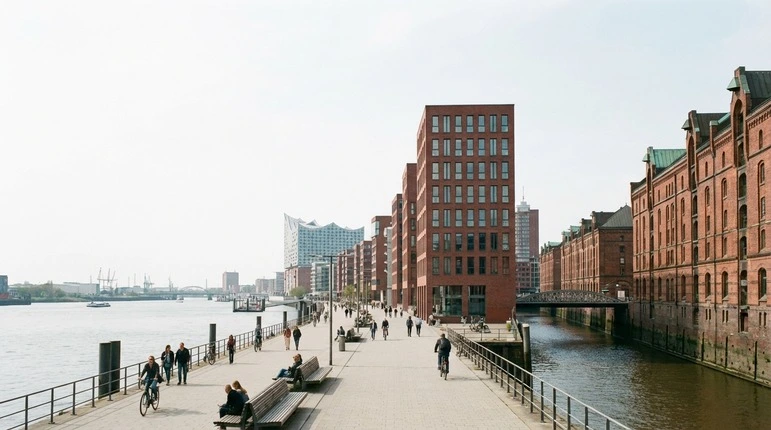
In tourist areas, English is often spoken, but in smaller towns it’s not always the case. It’s useful to have a translator app on your phone and save your hotel address in advance (a screenshot works well) to show a driver or at reception quickly.
Germany has a strong public transport network: U-Bahn, S-Bahn, trams, and buses. Important: you usually need to buy your ticket in advance and often validate it before boarding. Spot checks happen, and fines for riding without a valid ticket can be serious.
Cards are accepted almost everywhere, but some cafés and small shops still prefer cash or set a minimum card amount. It’s smart to carry a small amount of euros for small purchases.
Carry your passport (or ID card if applicable) and keep a copy on your phone. Follow the rules: Germany isn’t a place to “negotiate.” Fines for public order violations, transport rules, and smoking in prohibited areas can be an unpleasant surprise.
Medical care in Germany can be expensive for tourists without insurance—especially diagnostics, hospitalization, and transportation. That’s why travel medical insurance matters, particularly if you plan an active trip or multiple cities.
If you plan to shop, keep your receipts—they may be needed for Tax Free refunds (if eligible). For expensive items, it’s better to keep packaging and documents as well.
Power sockets are European (Type C/F), 230V — you usually don’t need an adapter.
Plan city travel ahead — day passes and group tickets can be cheaper and more convenient.
Keep document copies on your phone, and store originals in a safe place.
Carry a bit of cash — for small cafés, vending machines, and small purchases.
Tap water is generally safe to drink in most cities.
Keep receipts for expensive purchases — useful for Tax Free and warranties.
If you plan active holidays, add a “sport” option to expand coverage.
Follow these simple steps to get fast and high-quality assistance
Contact our 24/7 assistance service using the phone number shown in your insurance policy. In an emergency, call 112 first, then notify the assistance service as soon as possible.
Tell the operator your policy number, your full name, and clearly describe what happened. Share your location (city/address) and a contact phone number.
The operator will arrange medical assistance for you, direct you to a suitable clinic, or send a doctor. Follow all instructions. In most cases, expenses are paid directly by the insurance company (under an agreed process).
Applying for a Schengen visa? Uzbek citizens need EU-standard health insurance. EUROASIA Insurance meets consular rules and protects you throughout Europe.
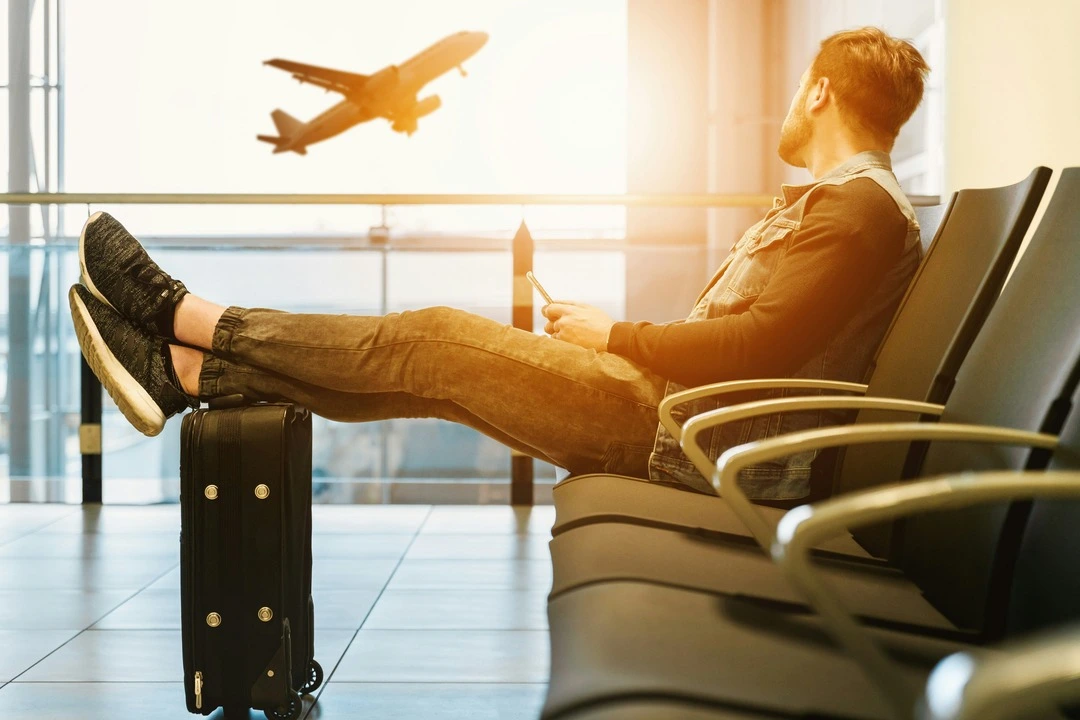
Travel insurance isn’t a luxury for Uzbekistan travelers—it’s essential. Get medical coverage, visa-ready documents and 24/7 support from Tashkent.
Many people believe that reliable insurance always comes with a high price tag. However, in reality, quality protection can be affordable.

Feeling invincible when you’re young is natural, but illness and accidents can strike. Health insurance in Uzbekistan gives a vital safety net and support.
Germany is part of the Schengen Area. For a Schengen visa, travel medical insurance is usually mandatory: it must be valid across the Schengen zone and meet minimum coverage requirements. Even if you enter under a different basis, insurance is strongly recommended because medical care in Germany can be very expensive for visitors without coverage.
Coverage for COVID-19-related expenses depends on the insurance plan you choose. In general, plans that include a “COVID-19” option may cover diagnostics, treatment, and hospitalization within the policy limits and terms. Before purchasing, check whether the “COVID-19” option is included in your selected plan.
Contact the 24/7 assistance service using the phone number listed in your policy. The operator will explain the next steps and direct you to an appropriate medical facility. In an emergency, call 112 first, then notify the assistance service as soon as possible.
If you act through the assistance service, the insurer typically arranges treatment and payment under an agreed procedure. In some cases, a clinic may request payment or a deposit — in that situation, keep all receipts, invoices, and medical documents for reimbursement according to the policy terms.
In many cases, you can purchase a policy after your trip has already started. Keep in mind that coverage often does not start immediately (usually after 24–48 hours), and events that happened before the purchase are not covered.
For Germany (Schengen), coverage starting from €30,000 is a common baseline to meet visa requirements. For extra peace of mind — especially for longer trips, active recreation, age-related risks, or chronic conditions — consider €50,000–€90,000.
A basic policy typically covers standard tourist activities. For sports and higher-risk activities (skiing, snowboarding, advanced trekking routes, etc.), you need an additional “SPORT” option — it expands the coverage. Please check the list of activities and terms in your policy.
You can present an electronic policy on your phone. However, we recommend saving it in multiple places (email/cloud) and, if possible, printing a copy — in case you don’t have internet access or your device runs out of battery. A printed copy may also be convenient for visa or border checks.
Send us your question and we’ll get back to you shortly.