
 English












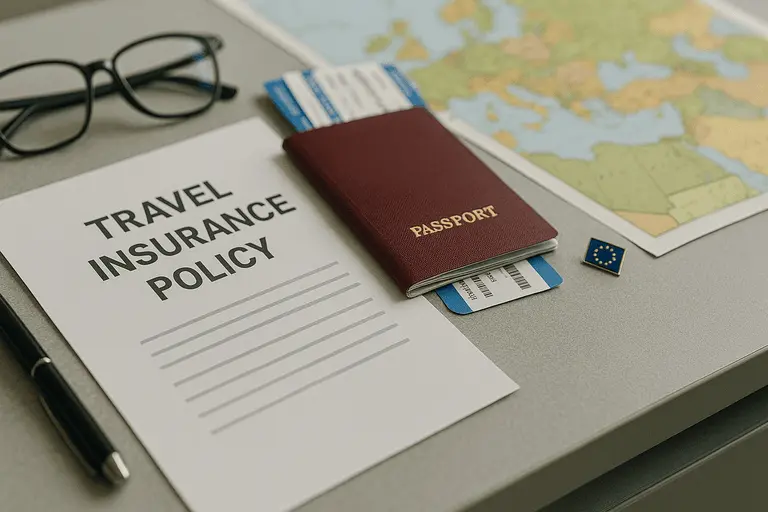
EUROASIA Insurance: Schengen Visa 2025 Requirements
Applying for a Schengen visa? Uzbek citizens need EU-standard health insurance. EUROASIA Insurance meets consular rules and protects you throughout Europe.
Reliable protection anywhere in the world. Medical assistance, evacuation, and 24/7 support.

Policy in 5 minutes online

Worldwide coverage
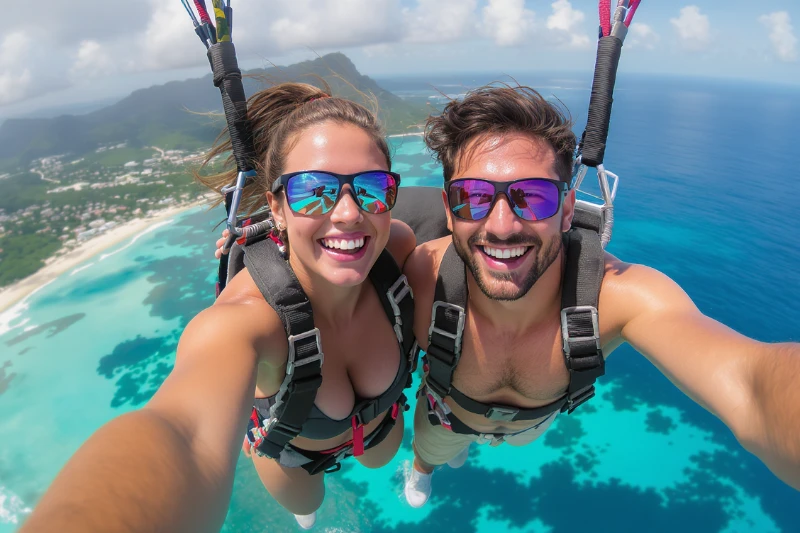
Up to €90,000 coverage

Round-the-clock support
Briefly about the key requirements and nuances of obtaining an insurance policy for the Schengen area countries.
For trips to Schengen countries, choose a program that includes the Schengen territory. In the program line, this is usually the CLASSIC (+COVID) option.
If the trip to Schengen is up to 92 days, an additional 15 days are added to the insurance period. These days are not included in the insurance coverage and do not affect the cost, unless otherwise provided by the terms.
If you applied for a Schengen policy and received a visa refusal, a refund usually requires the original refusal letter issued by European authorities. When calculating the refund for policies up to 92 days, the last 15 days (added additionally) are not taken into account.
Important: if the policy is issued when the person is already abroad, the start of insurance may not occur immediately (according to the terms — from the 4th day, 00:00). Therefore, it is better to issue the policy in advance before departure.
Travel insurance for the Schengen area (traveler's medical insurance) is financial protection during a trip to Schengen countries. The policy helps cover unforeseen medical expenses abroad and is often required for obtaining a Schengen visa.
Schengen insurance protects you from:


Medical services abroad are expensive. Even a simple doctor's consultation can cost hundreds of dollars, and serious treatment — tens of thousands. An insurance policy allows you to receive necessary medical assistance without spending your own funds.
Eliminates the need to pay for expensive treatment out of pocket. The insurance company covers all expenses.
The assistance service will direct you to a verified clinic with English-speaking staff or a translator.
You travel with confidence that you will receive qualified assistance in any situation.
Issue policies in 30 seconds and resolve insured events 5 times faster

Download now


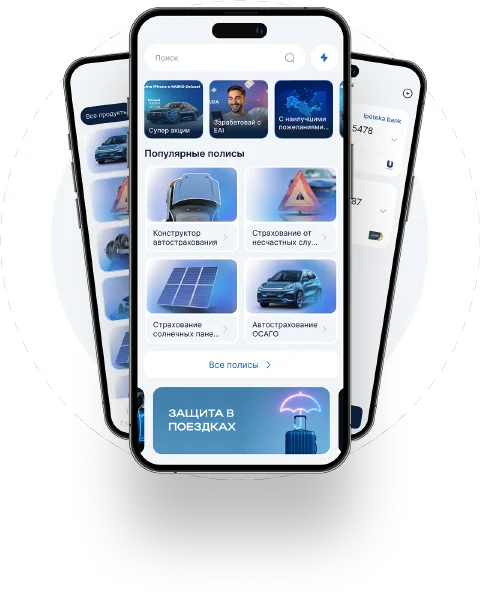
Understanding how traveler's insurance works will help you effectively use the policy during your trip. The process is simple and clear:
You choose an insurance program, specify travel dates and pay for the policy online. The policy arrives in the app within a few minutes.
Insurance starts from the specified trip start date. It is important to issue the policy before leaving the country.
If a health problem arises, you call the service center using the number from the policy. Available 24/7.
The operator organizes medical assistance: directs to a clinic, calls a doctor or an ambulance.
The insurance company pays for medical services directly to the clinic. You do not need to spend your own money.
After treatment ends, you continue your trip or return home. The policy is valid until the end date.
The EUROASIA Insurance policy is a reliable way to protect yourself from unforeseen medical expenses during a trip to the Schengen area countries. Schengen is one of the most popular destinations for citizens of Uzbekistan: people travel there for tourism, business trips, studies, visiting relatives, and business events.
Our insurance policy is valid within the Schengen Agreement countries and covers major medical risks, including emergency medical assistance, hospitalization, emergency dentistry, and medical transportation. If necessary, the policy also helps compensate for additional expenses related to insured events abroad — in accordance with the insurance terms.
With EUROASIA Insurance, you can plan your route with peace of mind — whether it is France, Germany, Italy, Spain, the Netherlands, or other Schengen zone countries — knowing that in an unforeseen situation you will receive help, and expenses for insured events will be covered under the policy.
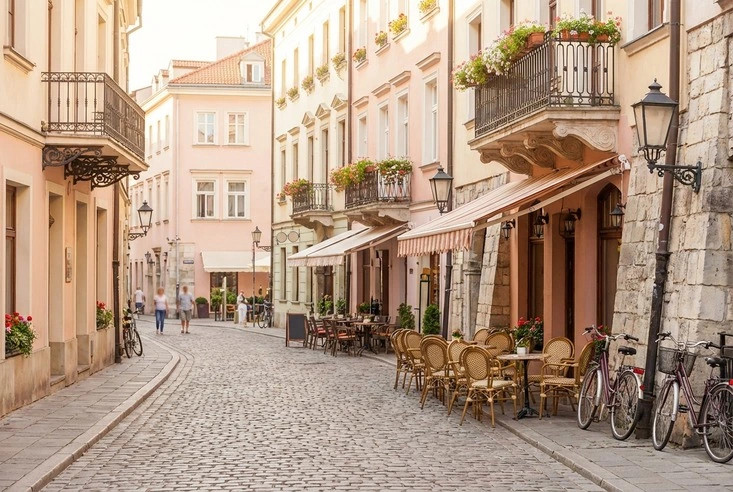

Most often, people travel from Uzbekistan to the Schengen area for tourism, business trips, study, visiting relatives, and business events. Below are popular cities and destinations often chosen for trips.
Tourism, culture, and European “classics”: museums, walks in the center, and main attractions.
A convenient destination for city travel and business trips: transport, exhibitions, and modern infrastructure.
History and gastronomy: atmospheric districts, architecture, and “city + excursions” routes.
A city for relaxation and walks: sea, architecture, comfortable climate, and vibrant city life.
A popular choice for short trips: canals, museums, and convenient transfers to other European countries.
“Postcard Europe”: beautiful center, walks, cozy atmosphere, and clear routes.
Comfortable urban tourism: museums, classical architecture, and convenient trips to neighboring countries.
A frequent transit route from Uzbekistan: convenient connections and a large selection of flights to Schengen cities.
The Schengen Area is a group of European countries with unified rules for crossing internal borders, but with mandatory requirements for documents and medical insurance for travel. To ensure a smooth trip, it is useful to consider a few practical points in advance:
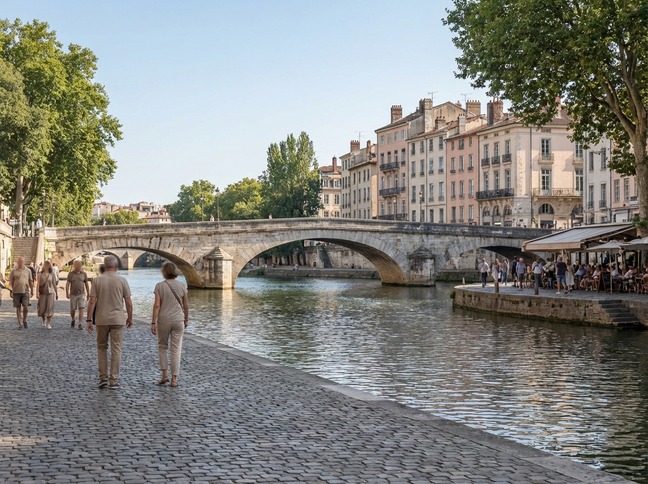
Keep your passport, visa (if required), proof of accommodation booking, and return tickets with you. At the border, you may be asked to show the purpose of the trip and financial sufficiency. It is convenient to have copies of documents (on your phone and/or printed).
For a Schengen visa, medical insurance valid in the Schengen Area countries is usually required and covering emergency medical care. During the trip, the policy is especially important: medicine in Europe can be expensive, and insurance helps reduce the risks of unexpected expenses.
Between cities, trains or low-cost carriers are often more convenient, and within the city — metro/tram/bus. Buy tickets and validate them where required (in some countries, fines for "ticketless" travel are significant). Save the accommodation address and landmarks in case of offline situations.
In most Schengen countries, it is convenient to pay by card (including contactless), but sometimes cash is still needed (e.g., small cafes, markets, transport machines). Before the trip, check limits, fees, and enable transaction notifications.
Check roaming and internet costs in advance. It is often convenient to use an eSIM or a local SIM card. Download offline maps and save important data: address, contacts, policy number, and assistance phone number, to contact quickly in an emergency.
Watch your personal belongings in tourist places and transport (pickpocketing is the most frequent risk). Consider local rules: somewhere there are strict fines for smoking, drinking alcohol in public places or improper parking. When buying expensive goods, keep receipts.
Make copies of your passport, visa, and insurance (on your phone and/or print them).
Save the policy number and assistance contacts — in case of an emergency.
Download offline maps and save the accommodation address in Latin script.
Check card limits and fees, enable notifications about transactions.
Consider rules for carrying medicines: take prescriptions/appointments if needed.
Keep a small supply of cash (Euros) for cases when the card is not suitable.
Check the weather in the cities of the route: in Europe, the climate varies greatly by region.
Observe local rules — fines for violations can be high.
Follow simple instructions to quickly get help and correctly register the insured event
Call the 24-hour assistance service at the number indicated in your Insurance Policy. We recommend contacting assistance before visiting the clinic — this way help will be organized faster and more correctly.
State the policy number, your first and last name, and describe the situation in detail. Indicate the country and city, exact location, as well as a contact phone number. If available — provide the address of the clinic or hotel.
The operator will suggest further steps: direct you to the nearest clinic, organize a doctor's consultation or call an ambulance. Follow the assistance instructions. If you had to pay for services yourself — be sure to save receipts, reports and prescriptions for subsequent consideration of compensation according to the policy terms.
Applying for a Schengen visa? Uzbek citizens need EU-standard health insurance. EUROASIA Insurance meets consular rules and protects you throughout Europe.
Travel insurance isn’t a luxury for Uzbekistan travelers—it’s essential. Get medical coverage, visa-ready documents and 24/7 support from Tashkent.
Many people believe that reliable insurance always comes with a high price tag. However, in reality, quality protection can be affordable.

Feeling invincible when you’re young is natural, but illness and accidents can strike. Health insurance in Uzbekistan gives a vital safety net and support.
For travel to Schengen countries, citizens of Uzbekistan generally require a Schengen visa. For visa application, travel medical insurance is usually a mandatory document: the policy must be valid throughout the Schengen area and meet minimum coverage requirements (often at least €30,000), including emergency assistance and repatriation, for the entire duration of the trip.
The standard requirement for a Schengen visa is medical insurance with coverage of at least €30,000 for medical expenses, including emergency medical assistance, hospitalization, and repatriation. The policy must be valid throughout the Schengen area and cover the entire period of the trip.
Yes, the policy may include coverage for expenses related to COVID-19 (diagnostics, treatment, hospitalization, and other medical services) — in accordance with the terms of the selected insurance program.
Immediately contact the 24-hour service center (assistance) at the phone number indicated in the policy. The operator will advise on the procedure and direct you to a suitable medical facility. If the situation is an emergency, call local services (emergency number 112 works in many European countries) and notify the service center at the first opportunity.
Usually, if you act through the service center, treatment is organized according to an agreed scheme. In individual cases, the clinic may request payment or a deposit — then it is important to keep all receipts and medical documents for subsequent consideration of the issue of reimbursement under the policy terms.
Yes, in many cases, a policy can be issued during the trip. It is important to consider that insurance often does not take effect immediately (usually after 24–48 hours), and events that occurred before purchasing the policy are generally not covered.
For a Schengen visa, insurance must be valid throughout the territory of the Schengen countries (not just the country of first entry). This is an important point: when submitting documents, territorial coverage is usually checked.
The basic policy usually covers standard tourist activities. For sports and increased risks (e.g., skiing/snowboarding, mountain trekking, diving, extreme entertainment), a separate 'SPORT' option is often required during registration — it expands the coverage.
The electronic policy can be presented from a phone. However, for visa application and in case of lack of internet/device discharge, we recommend additionally saving the policy in several places (email/cloud) and printing it if possible.
Write us your question, and we will answer you shortly