Get 20% cashback
Add your card number at checkout — 20% of the policy price is sent to that card right away.
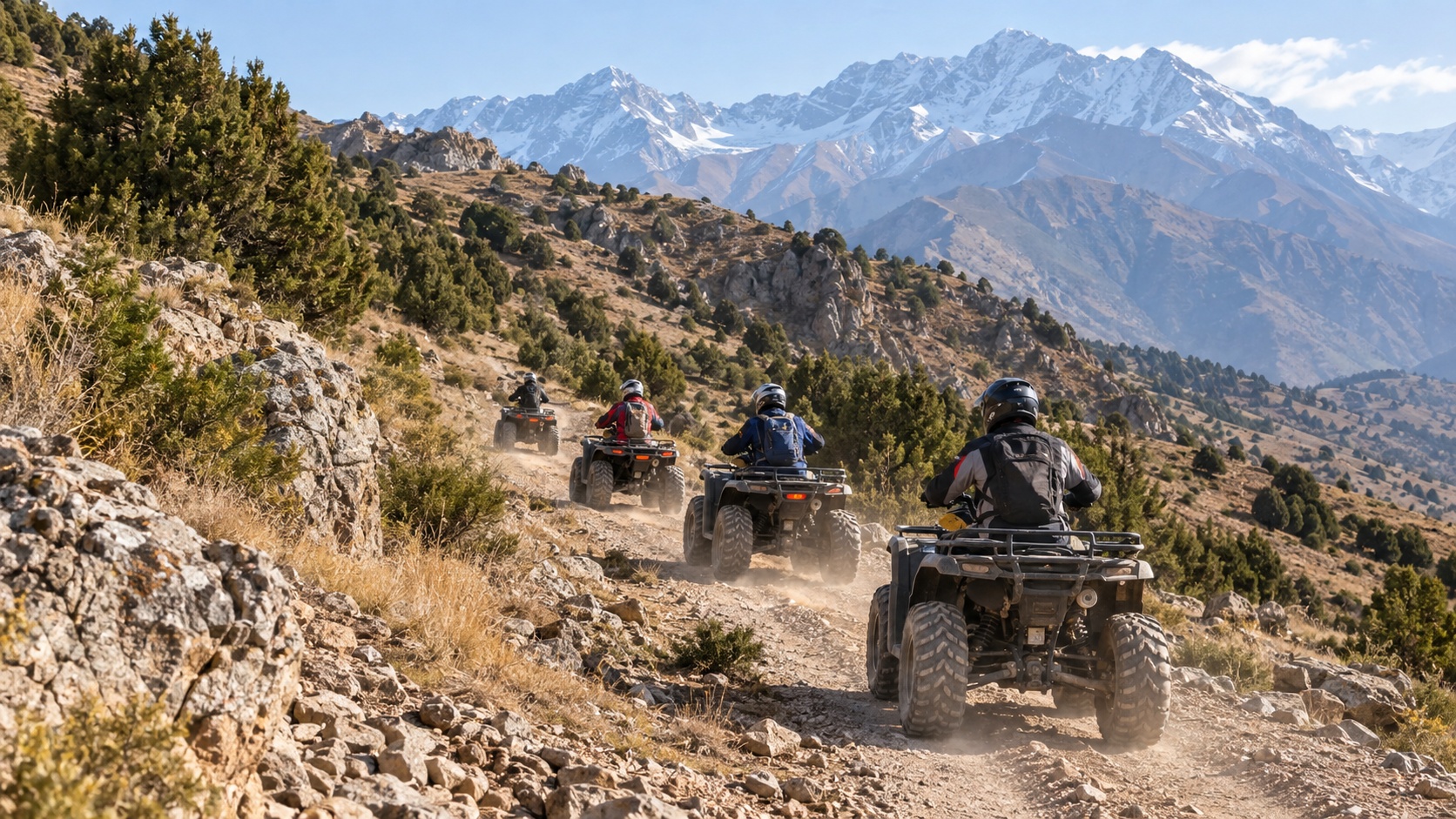
This page covers two quite different activities. Most people try an ATV as a tourist: you head into the mountains near Chimgan, Beldersay, Amirsoy and Charvak, where an instructor runs a briefing, hands out a helmet and leads the group along the route. Motocross works differently: it's a sport with clubs, training programs, coaches and a national championship, and there's no one-off "just show up and ride" format here.
Motocross and quad motocross fall under risk group 6 (extreme sports), so the policy is priced the same way for both.
ATV riding happens in the mountains near Tashkent. Motocross happens on tracks across the country, and competitions take place in different regions.
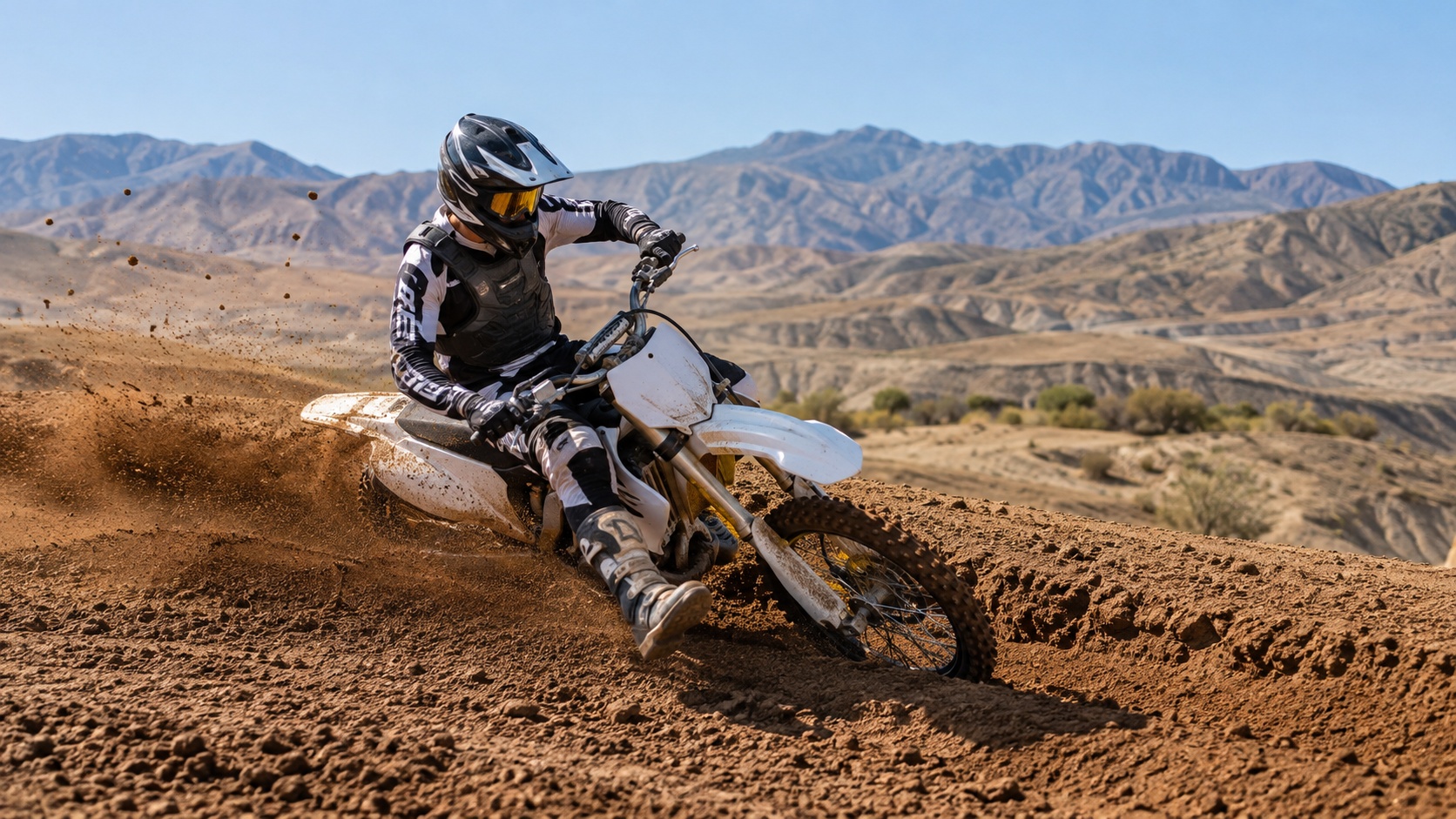
A mountain area in Bostanliq District. Several operators run tours here. Usually, an instructor leads the group, and no one rides an ATV without an escort.
Motocross tracks belong to the Vatanparvar society, and the sport itself is overseen by NAFKU, the national auto and motorsport federation. There's no ready-made tour for beginners here: you start with a training program or a club.
The Uzbekistan motocross championship runs every year in several stages, hosted over the years in Almalyk, Jarkurgan, Namangan, Navoi and Termez.
ATVs and motocross have different weak points, and so does the protection. The numbers come from international studies (the US and the UK); there's no such data for Uzbekistan.
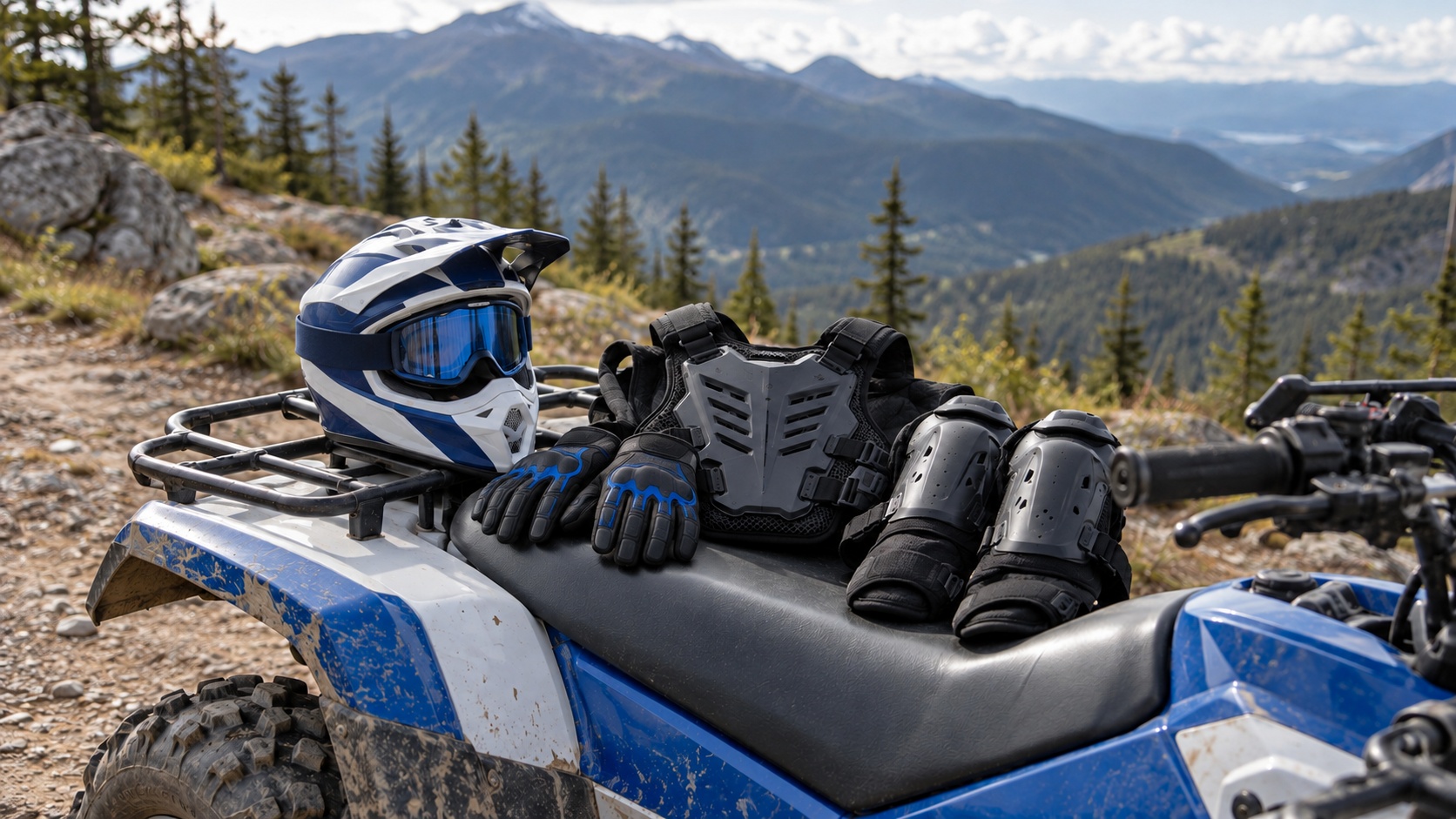
According to US trauma center data, ATV riders without a helmet had a traumatic brain injury (a head injury with brain damage) 1.62 times more often than riders wearing one. The risk of a severe head injury was 3.19 times higher, and the risk of dying in hospital was 2.58 times higher. Fractures were another frequent problem: they accounted for 25.9% of US emergency room visits after ATV accidents.
The most common motocross injury is a broken collarbone: 14% of injuries over four years of UK data. Children show a different pattern: mostly leg, thigh and shin injuries, while on an ATV, arm fractures are the most common. And in motocross, races cause more injuries than training does.
On an ATV, the one thing you control is the helmet: on quad tours, a helmet and protective gear are usually handed out before the ride, so don't get on without them. In motocross, format matters a lot: training is calmer than competition, so beginners start with a training program.
In April 2023, two people on an ATV near Chimgan lost control and went off a cliff edge; rescue teams from the Ministry of Emergency Situations handed them over to medics, and both survived. If someone is seriously injured in the mountains, they need to be taken to hospital: that's medical transportation.
Data: international studies, not Uzbekistan statistics: NEISS, Richards & Loder, Injury (US, 2002–2015); National Trauma Data Bank, Bowman et al. (US); Singh et al., BMJ Open Sport & Exercise Medicine (UK); a study of competitive youth motocross at a US trauma center (2004–2014).
A fall on the track or in the mountains shouldn't leave you scrambling to pay for treatment. The athlete accident policy pays out, so you can focus on recovery, not costs.
A broken arm after an ATV spill, a broken collarbone on a motocross track: if it's recognized as an insured event, you receive a payout. Its amount depends on the nature of the injury and the sum insured you chose.
The sum insured ranges from UZS 10 to 50 million: the higher it is, the larger the payout for the same injury. Total payouts for the year never exceed the sum insured you chose.
The policy runs for a full year. Championship stages take place in different months, and riding in the mountains happens almost year-round, so you won't need a new policy for every event.
Motocross and quad motocross are classed as extreme sports. Read more about insurance for extreme sports. What extreme sports insurance is and how it works: see the glossary.
The athlete accident policy protects you during training, training camps and competitions confirmed by documents. Motocross clearly fits that definition, but a one-off ATV ride comes with a caveat.
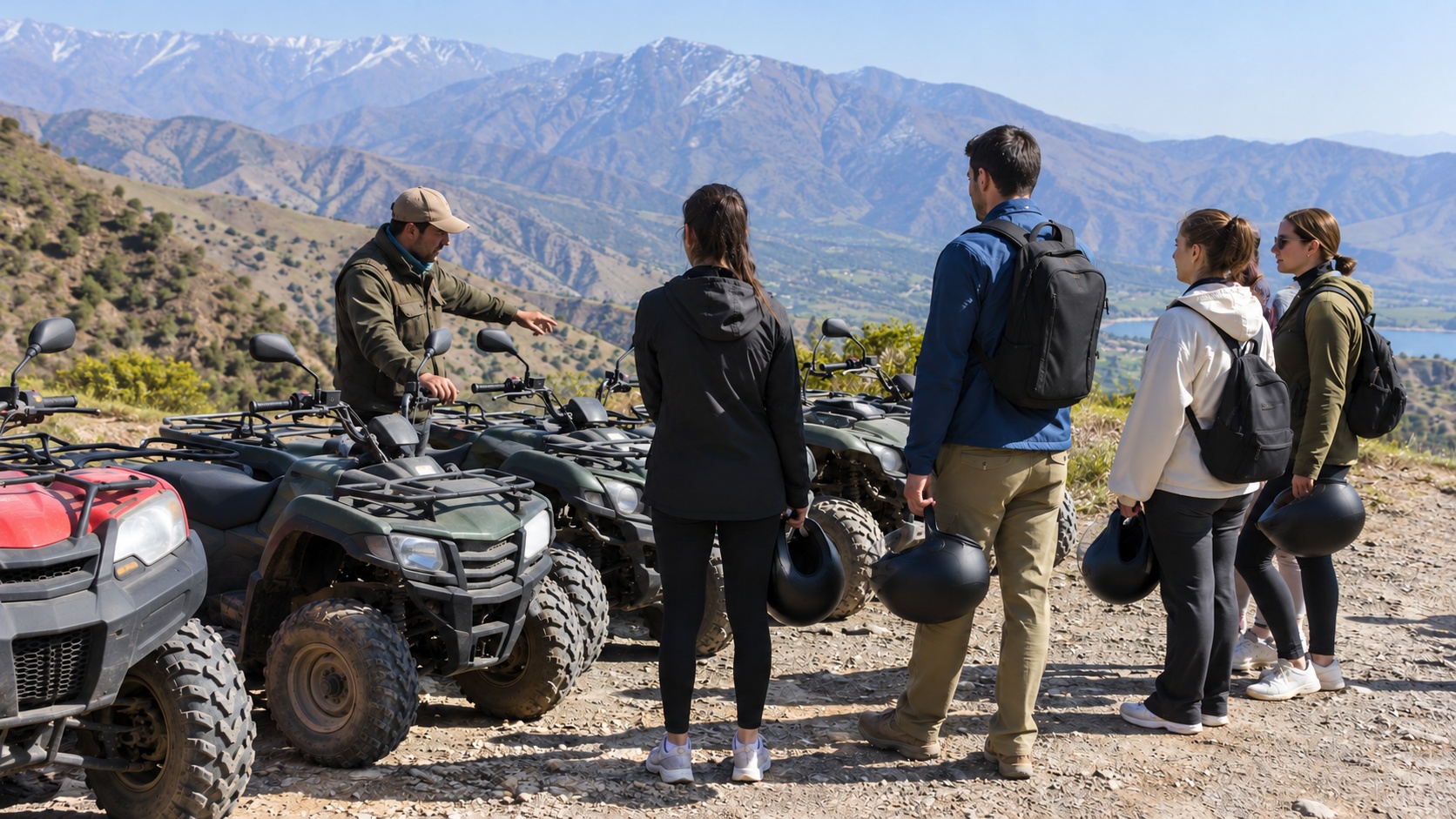
Motocross and enduro training at a club or training program recognized by the NAFKU federation or the Vatanparvar society.
Training camps and events: from stages of the Uzbekistan motocross championship to the Turon Enduro Uzbekistan Cup.
A guided trip into the mountains is closer to leisure than to training or a training camp, and under the policy terms it doesn't always clearly fall into that category. If coverage for this kind of trip matters to you, confirm it by calling 1147 beforehand.
On an ATV or a motorcycle, you're the one operating the vehicle, so one condition of the offer agreement applies to you directly. If, at the time of the accident, the insured person was under the influence of alcohol, drugs or other intoxicating substances, or was operating the vehicle in that state, the event is not recognized as an insured event (clause 6.1(b)).
If you were driving, a payout also requires a medical report confirming you weren't intoxicated at the time of the event (clause 9.3); it's part of the document package.
See a doctor and keep all medical documents.
Contact EUROASIA by calling 1147 within 30 days of the incident.
Submit your documents within 3 months: passport, a discharge summary or certificate from the medical facility, X-ray, CT or MRI images for fractures, and a medical report confirming you weren't intoxicated. For disability: a report from the authorized state medical commission (VTEK). In case of death: a death certificate.
Receive your payout within 15 business days after the claim report is signed.
The policy takes effect 3 calendar days after payment, so buy it in advance, before training, a race, or a trip to the mountains.
Also read: Sports insurance in Uzbekistan: who must insure the athlete?
The formula is the same for every sport. In the offer agreement, motocross falls under the "Auto/motorsport" line, with "Quad motocross" listed next to it: both lines sit in risk group 6 with a coefficient of 5.0, and from there the price depends only on the sum insured.
Premium = sum insured × 0.5% × coefficient
The sum insured ranges from UZS 10 to 50 million, and the coefficient depends on the sport's risk group: riskier sports cost more.
10,000,000 × 0.5% × 5.0
50,000,000 × 0.5% × 5.0
All sports and risk groups are on the sports insurance page.
The premium is calculated using the formula: sum insured × 0.5% × the sport's coefficient. The coefficient for motocross and quad motocross is 5.0: with a sum insured of UZS 10 million, a one-year policy costs UZS 250,000; with UZS 50 million, it's UZS 1,250,000. For the exact price, use the calculator on this page.
Under the public offer agreement (clause 5.1), the policy applies during competitions, training and training camps confirmed by documents. A one-off tourist ATV ride is closer to leisure than to training, and it doesn't always clearly fall into that category. If coverage for that kind of trip matters to you, check with 1147 beforehand.
Yes, that clearly fits the policy conditions: training at a club or training program, training camps and competitions you can confirm with documents from the club or federation. This covers both stages of the Uzbekistan championship and events like the Turon Enduro Uzbekistan Cup.
There's no single rule for ATV tours: some operators let you drive from age 12 with an instructor alongside, others from 16, and take passengers from age 7. In motocross, children officially start training and competing at age 9, through clubs and training programs. Confirm the conditions when you book.
There won't be a payout: under the offer agreement (clause 6.1(b)), such an event is not recognized as an insured event. That's why, if you were driving, the document package for a payout includes a medical report confirming you weren't intoxicated at the time of the event (clause 9.3).
There's a real risk, but a lot depends on the gear and the format. On an ATV, the arms, legs and head are injured most often, and the main protection is the helmet: according to international data, a severe head injury happens far more often without one, and on quad tours a helmet is usually handed out before the ride. In motocross, the most common injury is a broken collarbone, children injure their legs more often, and injuries happen more often in competition than in training.
Send us your question and we'll reply shortly

 English